
Understanding Basement Waterproofing in Baltimore: A Guide for Homeowners
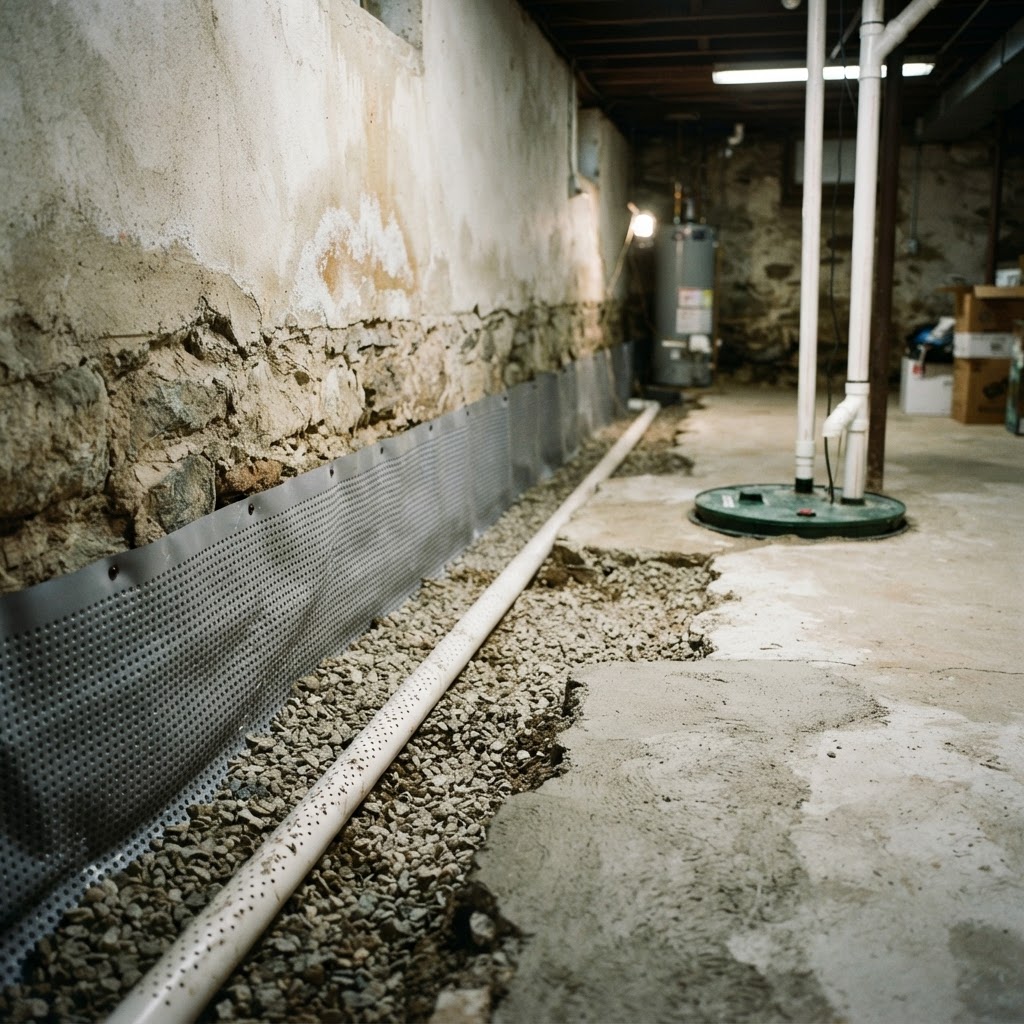
Learn how to manage basement moisture in Baltimore with expert advice on exterior drainage, soil factors, and when to call a professional for foundation support
Water in the basement is a common concern for homeowners across Baltimore City, Baltimore County, Harford County, Howard County, and northern Anne Arundel County. The combination of seasonal precipitation patterns and regional soil compositions—often characterized by high clay content—can create hydrostatic pressure that pushes moisture through foundations. Recognizing how water enters your home is the first step toward effective management and long-term protection.
Water typically enters through floor cracks, wall joints, or the cove joint where the floor meets the wall. Before assuming the worst, check your home's exterior drainage systems. Ensure that gutters are clear of debris and that downspouts extend at least five to ten feet away from your foundation. Improper grading, where the soil slopes toward the house rather than away, is a leading contributor to basement dampness.
If your home's exterior perimeter is clear of standing water and your gutters are functioning correctly, yet you continue to see recurring dampness or evidence of water intrusion, a professional assessment is recommended. A thorough inspection can help identify whether the issue stems from high water tables, site-specific drainage challenges, or minor structural settling. When you are ready to explore tailored solutions for your home, you can review our complete waterproofing and concrete services. We focus on diagnosing the source of the moisture to provide sustainable solutions rather than temporary fixes.
Understanding the difference between surface-level humidity and active water seepage is vital. While a dehumidifier can help manage condensation caused by seasonal shifts, it will not resolve active leaks or foundation-related water pressure.
Professional inspections are particularly important if you notice white, chalky mineral deposits on your foundation walls, known as efflorescence, or if you detect a persistent musty odor. These are often indicators that moisture has been moving through the masonry over an extended period.
By addressing the root cause, homeowners can better preserve the integrity of their living spaces and foundation. Whether you are dealing with minor seepage after heavy storms or more persistent concerns, professional guidance ensures that you select a solution appropriate for your property's specific geology and age.
Frequently Asked Questions
How do I know if my basement issue requires professional intervention?
If you notice standing water, persistent damp patches on walls, or signs of mold, it is advisable to have a professional examine the foundation. These issues often indicate that external drainage or waterproofing barriers are failing.
Can I fix basement leaks with interior paint or sealers?
While topical waterproof paints or sealers may hide minor aesthetic issues, they generally do not stop water caused by hydrostatic pressure. If water is pushing through the concrete, these surface treatments will likely peel or fail over time because they do not address the source of the moisture.
Is the Baltimore climate particularly hard on foundations?
Baltimore experiences significant seasonal changes, including periods of heavy rain and freezing temperatures. The expansion and contraction of soil around your foundation, combined with the freeze-thaw cycle, can put stress on masonry over time, making proper drainage and foundation health a priority for local homeowners.
Schedule Your Professional Inspection
If you are concerned about moisture in your basement or the condition of your concrete, contact us today to schedule a professional inspection. Our team provides honest assessments to help you understand your home's needs and explore appropriate waterproofing options.
Need Professional Help?
Get a free, no-obligation inspection from Baltimore's trusted waterproofing experts.