
7 Signs Your Baltimore Basement Needs Waterproofing
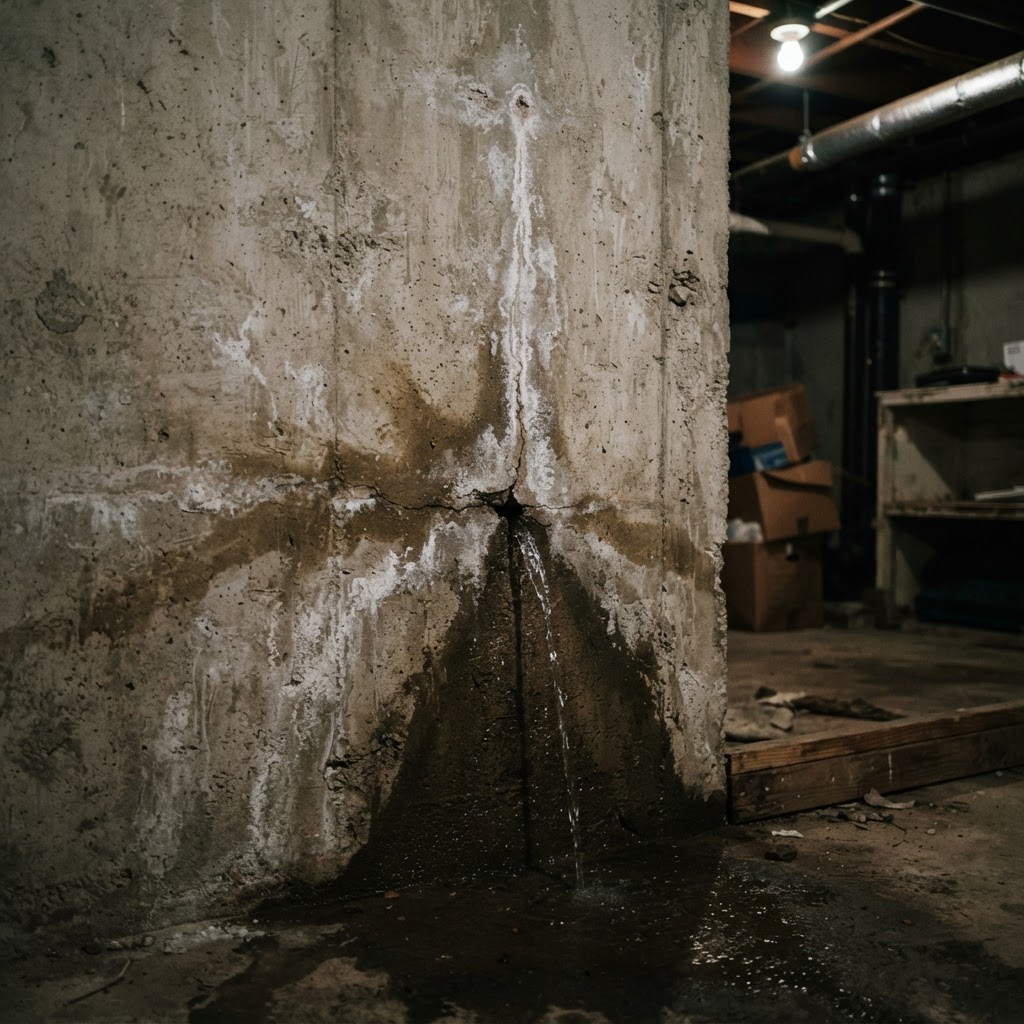
Water stains, musty smells, efflorescence? Learn the warning signs that your basement needs waterproofing and when to call a Baltimore professional.
A damp or stained basement rarely fixes itself, and ignoring it often means more extensive repairs later. Knowing what to look for helps you decide whether it's time to call in a professional before small issues become bigger ones.
Why Basement Water Problems Are Common in Older Baltimore Homes
Many Baltimore neighborhoods feature homes built decades ago, often with stone or block foundations that were never designed with modern waterproofing membranes. Over time, these materials become more porous, and original drainage systems can deteriorate or clog with sediment.
Maryland's climate adds to the challenge. Heavy spring and summer rainfall saturates the soil around foundations, while winter freeze-thaw cycles cause small cracks to expand as water freezes and thaws repeatedly. Clay-heavy soil common in the region also retains moisture longer, increasing hydrostatic pressure against basement walls.
Combined, these factors mean older homes are more prone to seepage, efflorescence, and foundation cracks than newer construction. This doesn't mean every basement will have problems, but it does mean regular inspection is worthwhile, especially after heavy storms or during seasonal transitions. If you notice recurring moisture issues, a professional evaluation through basement waterproofing services can identify the specific cause and appropriate solution for your home's construction type.
Visible Water Stains or Dampness on Walls and Floors
Water stains on basement walls or floors are one of the clearest indicators that moisture is entering the space. These stains often appear as yellowish-brown discoloration, dark streaks, or patches that persist even after cleaning.
Dampness without an obvious water stain is equally important to note. If walls feel consistently cool and moist to the touch, or if you notice a musty smell developing over time, water vapor is likely passing through the foundation material itself.
Common causes include:
- Grading issues directing rainwater toward the foundation
- Clogged or missing gutters and downspouts
- Hydrostatic pressure pushing moisture through porous concrete or block
- Minor cracks allowing water infiltration
A single faint stain after an unusually heavy storm may not indicate a serious problem. However, recurring stains, spreading dampness, or stains that darken over time suggest an ongoing water intrusion issue that deserves a professional look. Left unaddressed, persistent moisture can lead to mold growth, deteriorating drywall, or damaged flooring materials, so earlier evaluation generally means simpler, less costly solutions.
Musty Odors and Mold Growth as Early Warning Signs
A persistent musty smell in your basement almost always points to excess moisture, even if you can't see standing water anywhere. That odor comes from mold and mildew colonies growing on damp wood, drywall, insulation, or stored belongings. Baltimore's humid summers make basements especially prone to this, since warm, moisture-laden air condenses on cool concrete surfaces below grade.
Mold doesn't need a flood to take hold. It can establish itself from chronic low-level humidity or small amounts of water seeping through hairline cracks over months or years. By the time you notice visible mold on surfaces, there's often been moisture intrusion happening behind the scenes for a while.
What to look for:
- A musty, earthy smell that returns even after cleaning
- Dark spots on walls, baseboards, or the underside of carpeting
- Fuzzy or discolored patches on stored cardboard boxes or furniture
- Allergy-like symptoms that improve when you're away from the house
If you're noticing any of these signs, it's worth having a professional assess your basement's moisture sources rather than just treating the mold itself. Our basement waterproofing services are designed to address the underlying water intrusion, not just mask the symptoms.
Efflorescence: White Mineral Deposits on Concrete Walls
Efflorescence is the chalky, white powdery substance you sometimes see on basement walls or floors. It forms when water moves through concrete or masonry and carries dissolved minerals, primarily calcium, to the surface. As the water evaporates, those minerals are left behind as a visible residue.
This is a direct sign that moisture is actively passing through your foundation walls. It's common in older Baltimore row homes and stone foundations where masonry naturally absorbs more groundwater, but it's never something to ignore, regardless of your home's age.
A few things worth knowing about efflorescence:
| Observation | What It Means | |---|---| | Dry, flaky white powder | Water has already evaporated after passing through the wall | | Powder returns after cleaning | Moisture intrusion is ongoing, not a one-time event | | Appears near cracks or joints | Water may be entering through a specific defect worth inspecting |
Wiping efflorescence away does nothing to stop the water causing it. If you're seeing recurring deposits, it's a good indicator that your foundation needs a closer look, and in many cases pairs with foundation crack repair to seal the entry points water is using to get through.
Cracks in Foundation Walls Letting Water Seep In
Foundation cracks are one of the clearest signs that water is finding its way into your basement. In Baltimore's older homes, foundation walls have had decades of exposure to freeze-thaw cycles, shifting soil, and seasonal moisture changes. These forces cause poured concrete and block foundations to crack over time, and even a small crack can become an entry point for groundwater, especially after heavy rain.
Not all cracks mean the same thing. Hairline cracks that appear dry are common and often cosmetic. But cracks that are damp, actively leaking, or growing wider over time point to a water intrusion problem that needs attention. Horizontal cracks, cracks wider at one end, or cracks paired with wall bowing are different concerns and warrant a professional inspection rather than a guess.
If you notice water seeping through a wall crack during or after rain, it's worth having it evaluated before it worsens. Our foundation crack repair services address the source of the leak, not just the surface symptom, so water stops entering through that pathway.
Warped or Buckling Flooring and Trim Near the Basement
Flooring and trim materials react to moisture long before most homeowners notice a leak. If baseboards near the basement are cupping, swelling, or separating from the wall, or if wood flooring on the level above the basement feels uneven or has started to buckle, excess moisture is likely the cause. Laminate and engineered wood are especially sensitive, often warping within weeks of sustained dampness underneath.
This kind of damage usually points to moisture moving through the foundation or slab, raising humidity levels in the basement air and surrounding framing. In many Baltimore homes, this is tied to groundwater pressure against foundation walls or inadequate drainage around the home's perimeter.
Because warped flooring and trim are secondary symptoms, fixing them without addressing the moisture source only leads to repeat damage. A thorough look at the basement's drainage and waterproofing system is the more reliable fix. Our basement waterproofing services are designed to manage water at its source, protecting flooring, trim, and the rest of your home from ongoing moisture exposure.
Sump pump running frequently or not keeping up during storms
A sump pump that cycles constantly during a storm, or runs continuously without ever shutting off, is telling you it's working overtime to manage more water than your home was designed to handle. This can happen because of a high water table, poor exterior drainage, or a pump that's undersized or aging and no longer able to keep pace with inflow.
Equally concerning is a pump that fails to keep up, letting water pool around the pit or seep across the floor during heavy Maryland rainfall. Baltimore's seasonal downpours put real demand on these systems, and a pump that struggles now will likely fail outright during the next big storm.
If your current system seems overwhelmed, it may need a larger pump, a battery backup for power outages, or additional drainage support. A professional sump pump installation evaluation can determine the right capacity and setup for your home's specific water load.
When to call a professional for a basement inspection
If you notice any combination of the signs covered in this article — water stains, musty odors, cracks, efflorescence, peeling paint, or a struggling sump pump — it's time to have your basement evaluated. Catching problems early, before they affect finished space or lead to mold growth, generally means simpler and less disruptive solutions.
A professional inspection identifies the actual source of water intrusion, not just the visible symptoms. This matters because the same stain or crack can have different causes depending on your home's age, soil conditions, and grading. Older Baltimore-area homes with original foundations are especially worth having checked, since decades of freeze-thaw cycles and settling can affect foundation walls differently than newer construction.
A thorough basement waterproofing services assessment typically includes a visual inspection, moisture readings, and a review of exterior drainage and grading. If structural cracking or significant settling is suspected, a contractor should recommend further evaluation rather than guessing at the cause.
FAQs
What does efflorescence on basement walls mean?
Efflorescence is a white powdery mineral deposit left behind when water seeps through concrete and evaporates. It is a sign that water is moving through your foundation walls.
Is a musty smell in my basement always a water problem?
A musty smell usually indicates moisture and potential mold growth. It is a sign that humidity or water intrusion is present, even if you cannot see standing water.
How much water in a basement is normal?
No amount of water in a basement is normal. Even small amounts of seepage indicate a waterproofing issue that should be addressed before it worsens.
Can I waterproof my basement myself?
Minor DIY fixes, like improving exterior grading or clearing gutters, can help reduce surface water. However, lasting results usually require professional waterproofing that addresses the root cause with proper interior or exterior drainage systems, such as those used in foundation crack repair and full basement waterproofing projects.
Noticing any of these signs? Contact Complete Waterproofing & Concrete for a free basement inspection.
Need Professional Help?
Get a free, no-obligation inspection from Baltimore's trusted waterproofing experts.